Peptide Quality Control & Pureness Testing Boc Scientific Researches
Maintaining a high level of purity is important because contaminations can affect bioassays or reactions. For example, trimmed peptides or chemically changed side-products might bind to targets or create negative effects that puzzle your outcomes. Specially customized peptides or cyclic peptide sequences are difficult to verify, which impacts quality control. We integrate LC-MS/MS and enzymatic digestion evaluation to specifically validate the sequence and alteration sites of non-natural modified peptides. Recurring natural solvents, metal ions, or spin-offs from synthesis might create toxic adverse effects.These adjustments alter the peptide's biological task and chromatographic account. Peptides are sensitive to temperature level, light, and enzymatic atmospheres, making them prone to degradation, which influences efficacy. BOC Sciences provides sped up stability, light stability, and enzymatic degradation experiments to systematically examine formulation stability dangers.
Why Peptide Chemical & Physical Analyses Issue In Real Projects
- We utilize GC-MS, ICP-MS, and other approaches to spot impurities, making certain product safety and security and regulatory compliance.Chiral techniques can address enantiomeric pureness where stereochemistry is a problem.For a lot of research study objectives, high pureness suggests you can be positive that the substantial majority of the particles in your vial are the proper peptide, which helps make sure experimental uniformity and reproducibility.Peptide pureness is normally expressed as a portion, such as 95% or 98%.Lab validation for peptides implies using scientific examinations to validate a peptide's identification, purity, and structure.This is why reliable suppliers offer both HPLC and MS data on their Certifications of Evaluation.
Trusted laboratories employ tried and tested screening methods to assess peptide samples and Pharmaceutical Grade Peptides verify their pureness and chemical structure. One core approach is High-Performance Liquid Chromatography (HPLC), the gold standard for evaluating peptide purity. HPLC separates peptide combinations and can find also minor impurities listed below 1% of the example [4] A typical lab will certainly run the peptide with an HPLC system and generate a chromatogram-- the major optimal corresponds to the target peptide, and any type of extra peaks suggest other substances. The purity is then measured as the percentage of the primary optimal location versus total locations, giving a precise action of how pure the peptide is [2]
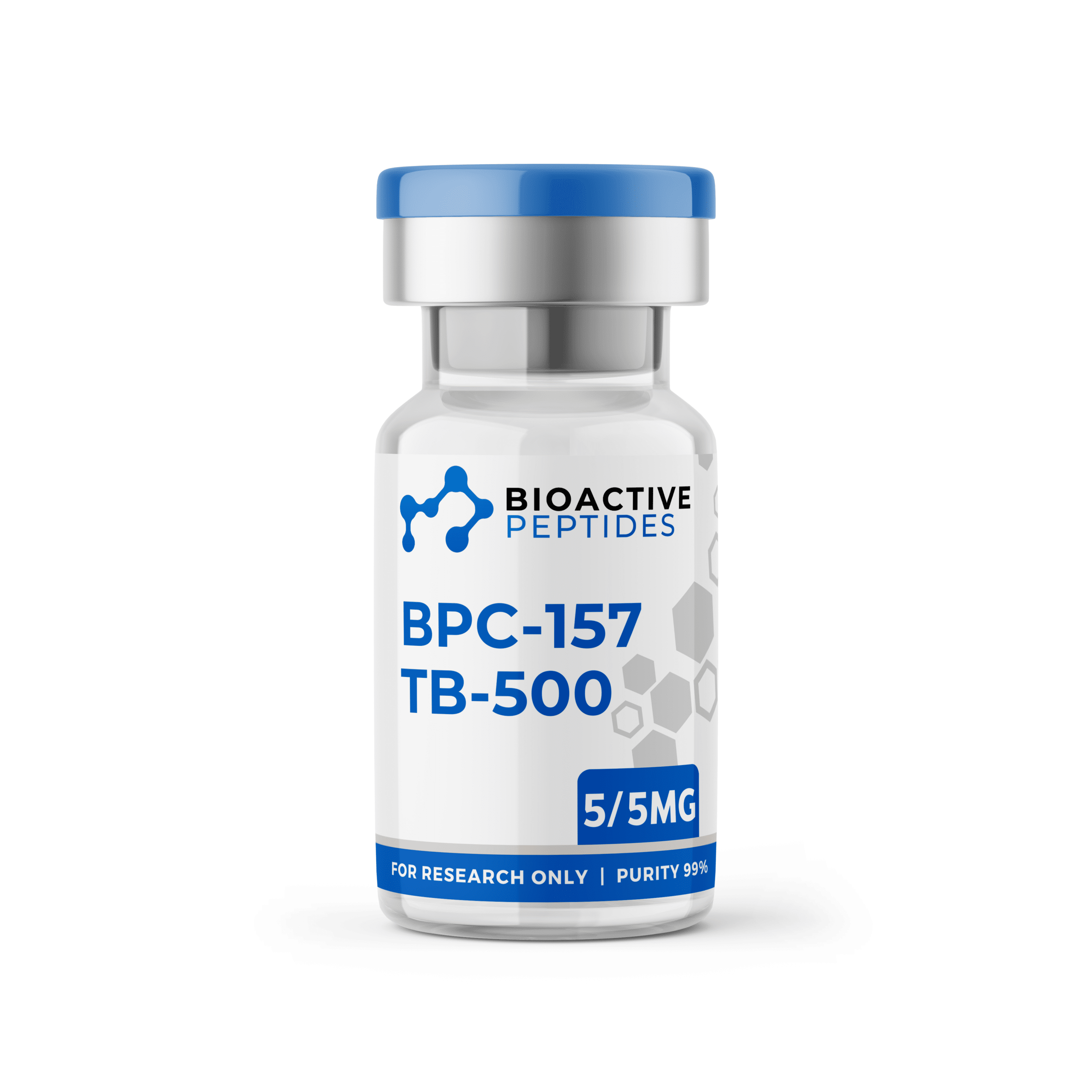
For a lot of visitors of a peptide beginners' guide, "research-grade" is the realm you run in. It ensures you that the peptide will certainly perform well in experiments (assuming pureness and identification are as mentioned), yet it also lugs the caveat "Research Usage Just." This expression is typically printed on the vial or documentation. It works as a suggestion and legal please note that the item is not a therapeutic or consumable.
Recap: What A Research-grade Coa Ought To Include
In theory, peptide purity is measured by the chromatogram generated by reversed stage HPLC, and furthermore, we can acquire the number and relative amount of feasible by-products by determining the peak area. A high-grade chromatogram has a solitary, in proportion major optimal with a flat standard on either side. " Tailing"-- where the optimal tracks off slowly on one side-- can suggest column problems, example overloading, or secondary communications between the peptide and the stationary phase. In this configuration, the stationary phase is hydrophobic (water-repelling), commonly C18-bonded silica. The mobile stage is a gradient of water and an organic solvent like acetonitrile, usually with a small amount of trifluoroacetic acid (TFA) to hone the heights.

What Hplc Can Not Prove Alone
Not every application needs 99% pureness, and filtration is a substantial component of peptide manufacturing expense. Trace quantities of solvents used during synthesis and filtration-- acetonitrile, dimethylformamide (DMF), dichloromethane-- can stay in the final product. These are typically existing at extremely low degrees in properly produced peptides and are controlled by ICH Q3C guidelines for acceptable restrictions. If the target peptide's optimal make up 99.1% of the total peak area, the peptide is reported as 99.1% pure by HPLC. Several reputable research study peptide vendors use third-party labs; some Purity Verification conduct internal screening with magazine of lab credentials.
However, achieving ultra-high purity (state 99%) can be technically difficult and may not constantly be essential, as we'll go over later. The secret is comprehending what degree of purity is sufficient for your needs and how pureness is figured out to begin with. For most research objectives, high purity suggests you can be confident that the huge majority of the particles in your vial are the proper peptide, which aids ensure speculative consistency and reproducibility. Our operations is made to relocate from sample context evaluation to interpretable peptide data with minimal analytical uncertainty. Tasks can range from one sample identification check to multi-lot comparability, residual evaluation, solubility assessment, or stability-focused analytical bundles. Hydrophobic peptides, highly standard series, modified constructs, and closely related analogs can be evaluated with approach changes matched to their analytical threats. BOC Sciences, with its durable analytical platform and professional group, concentrates on high quality screening services for peptide basic materials, peptide microspheres, peptide nanoparticles, and peptide formulation prep work. We work with biotech, pharmaceutical, CRO, CDMO, and academic groups on peptide chemical and physical analyses that support study and non-clinical choice production. Get in touch with us today to discuss your peptide sequence, example standing, and logical objectives.